
A packed executive schedule can fall behind before the first meeting begins. A delayed airport pickup, an unfamiliar driver, or time lost finding parking can put pressure on every appointment that follows. This executive roadshow transportation guide helps companies plan private, chauffeur-driven travel that keeps leaders focused, comfortable, and on schedule across Southern California.
Start With the Roadshow Schedule, Not the Vehicle
Roadshow transportation is not simply a series of point-to-point rides. It is a moving business day. Executives may need to leave LAX, John Wayne Airport, or a hotel for meetings in Irvine, Newport Beach, Costa Mesa, Anaheim, or multiple offices spread across Orange County. The transportation plan has to account for the full sequence, including arrival windows, meeting duration, traffic patterns, luggage, and the possibility that a discussion runs long.
Begin by building an itinerary with every address, the preferred arrival time, and the realistic end time for each stop. Include the name and mobile number of the onsite contact when possible. A chauffeur cannot control a meeting that exceeds its scheduled time, but a well-prepared transportation provider can adjust the next departure with far less disruption.
It also helps to identify which times are fixed and which have flexibility. A board presentation, investor meeting, or flight departure is usually non-negotiable. A lunch, site visit, or hotel check-in may offer more room to move. This distinction lets the transportation team protect the appointments that matter most.
Build Realistic Travel Buffers Into the Day
Southern California travel times can change quickly. A route that appears simple on a map may be affected by freeway congestion, airport traffic, construction, weather, a major event, or the time required to enter a secure office campus. A roadshow itinerary should allow time for these realities without making the day feel unnecessarily slow.
For airport arrivals, plan for more than the drive itself. Travelers may need time to deplane, collect checked luggage, meet colleagues, and walk to the designated pickup area. At LAX, airport traffic and terminal procedures can add meaningful time. At John Wayne Airport, pickup logistics are often more compact, but flight delays and baggage timing still matter.
Between meetings, allow enough time for the chauffeur to arrive early, load materials, and use the most practical route. For high-stakes presentations, it is wise to schedule the vehicle arrival 15 to 20 minutes before the executive needs to leave. That small margin helps avoid a rushed departure when the meeting room is farther from the entrance than expected or a final conversation takes a few extra minutes.
Avoid the Back-to-Back Meeting Trap
An itinerary with meetings scheduled exactly 30 minutes apart may look efficient on paper, but it rarely works well in practice. Executives need a moment to collect notes, return a call, use a restroom, or prepare for the next conversation. Traffic is only one part of the transition.
A private vehicle creates useful working time between stops. Leaders can make confidential calls, review presentation materials, or simply regroup in a quiet, climate-controlled cabin. The goal is not to fill every minute. It is to make each minute productive and calm.
Choose the Right Vehicle for the Working Group
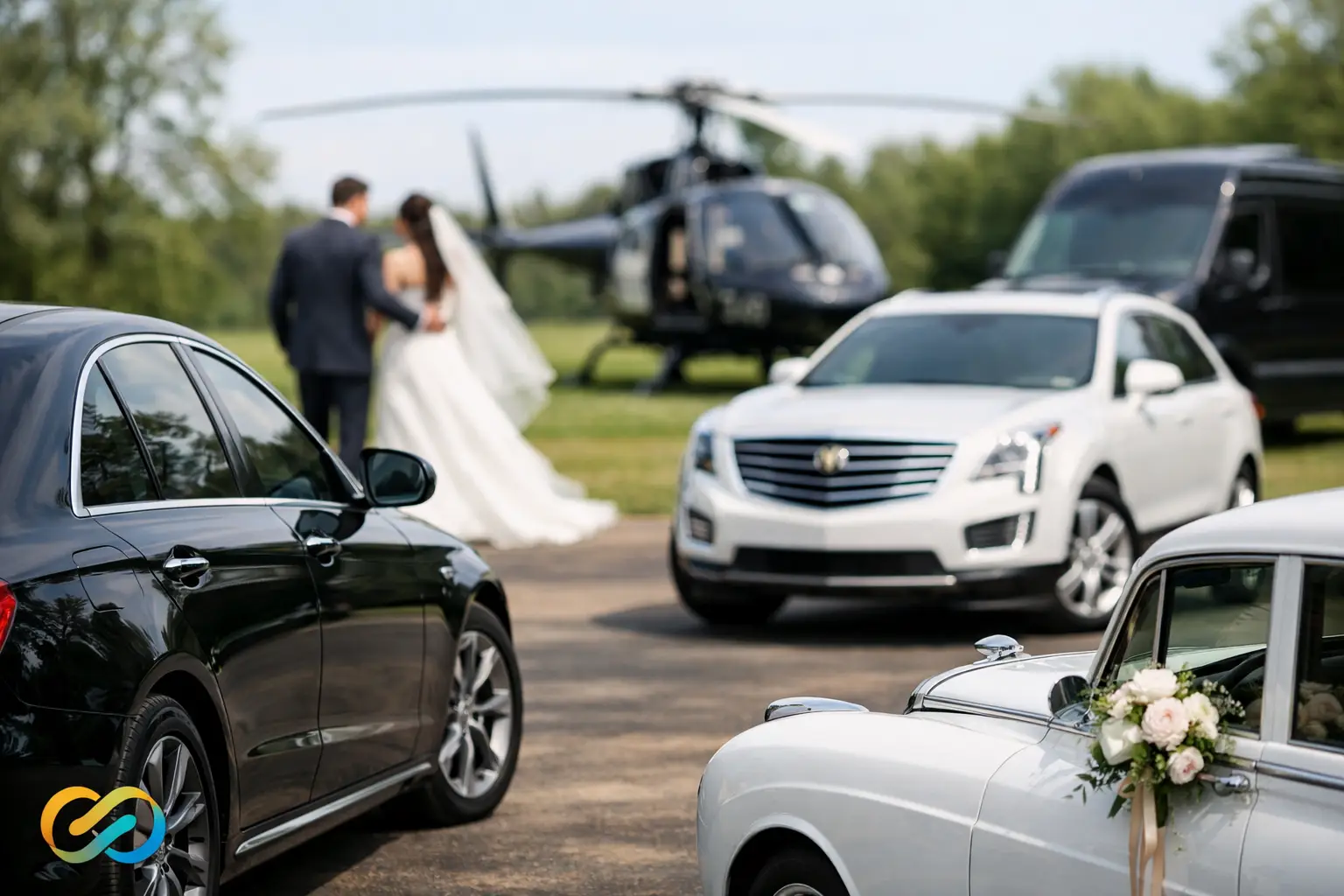
The best vehicle depends on passenger count, luggage, presentation materials, and the tone of the visit. A late-model executive sedan is often a strong fit for one to three passengers traveling light. It offers privacy, a polished arrival, and comfortable space for a focused executive itinerary.
An SUV is generally the better choice for larger parties, airport luggage, or teams carrying samples, display materials, and equipment. It can also be a more comfortable option when meetings involve longer drives between Orange County, Los Angeles, and inland business locations.
For a larger group, arranging coordinated vehicles may be more practical than placing everyone in one vehicle. This allows different executives to leave a meeting at different times or attend parallel appointments without disrupting the full group. The right plan depends on the roadshow’s purpose. A small investor visit has different needs from a sales team visiting several client offices in one day.
What to Confirm When Booking Roadshow Transportation
A clear reservation prevents last-minute questions and gives the chauffeur team the information needed to provide attentive service. Before the roadshow begins, confirm these details with the transportation provider:
- Flight numbers, airline, arrival terminal, and pickup instructions for airport transfers
- Each meeting address, arrival target, onsite contact, and expected departure time
- Passenger names, mobile numbers, luggage count, and any special equipment
- Vehicle type, passenger capacity, and whether the chauffeur will remain on standby
- Billing contact, flat-rate details, wait-time policy, and itinerary change process
Flat-rate pricing is especially valuable for executive travel because it gives the company a clear expectation before the day begins. Ask whether the quote covers the planned itinerary and what happens if a meeting is added, canceled, or extended. Transparent communication is better than assuming that every change will be handled the same way.
Decide When Chauffeur Standby Is Worth It
For a single airport transfer or one office-to-hotel trip, a scheduled pickup may be all that is needed. A multi-stop roadshow often calls for chauffeur standby, where the vehicle remains available while executives attend meetings. This removes the uncertainty of requesting a new ride at each location and keeps the group from waiting outside after an important discussion.
Standby service is particularly useful when meeting end times are uncertain. It gives executives the freedom to continue a conversation without worrying that transportation will leave or become unavailable. It also supports quick changes, such as adding a nearby client visit, stopping for a working lunch, or returning to the airport earlier than planned.
There is a cost trade-off. Holding a dedicated vehicle and chauffeur for the day is usually more expensive than booking individual transfers. For a roadshow involving senior leadership, multiple stops, or confidential discussions, the reliability and time savings often justify the investment. For a simple two-stop schedule with firm end times, scheduled transfers may be the more efficient choice.
Protect Privacy and Professional Presence
Roadshows often involve sensitive conversations, financial information, client strategy, or personnel decisions. Private chauffeured transportation provides a more appropriate setting than a shared shuttle, taxi line, or app-based ride with changing drivers. The vehicle becomes a controlled space where executives can travel without discussing business in public.
Professional presentation matters as well. A clean late-model sedan or SUV and a courteous chauffeur create a composed first and last impression for clients, candidates, partners, and visiting leadership. This is not about excess. It is about removing friction from a business day that already demands attention.
Chauffeur professionalism should include punctual arrival, assistance with luggage, respectful communication, and a focus on the passenger’s preferences. The best service feels organized without being intrusive. Executives should not have to manage their own transportation once the itinerary is confirmed.
Plan for Airport Departures Like a Fixed Appointment
The final airport trip deserves the same care as the first pickup. Flight departure time is not the time to leave the last meeting. Consider the airport, airline, checked bags, security conditions, and whether travelers need to return rental cars or collect personal items at a hotel first.
If the roadshow ends near Orange County, John Wayne Airport may be convenient for certain domestic flights. LAX can offer broader flight options but usually requires a larger timing cushion, particularly during peak travel periods. Long Beach, Ontario, and Burbank may also make sense depending on the destination and the day’s meeting locations.
A professional chauffeur can monitor the planned itinerary and help keep the airport transfer on track, but the travel organizer should communicate flight changes as soon as they are known. Early notice gives everyone more options and reduces unnecessary stress.
A Better Executive Roadshow Transportation Guide Starts With One Conversation
The most effective roadshow plans are detailed, but they are not rigid. A good transportation partner listens to the schedule, identifies potential pressure points, and provides a practical plan for changes along the way. Whether the day begins with an LAX arrival, includes client meetings throughout Orange County, or ends with a late flight home, dependable private transportation gives executives room to focus on the work in front of them.
Black Crystal Transportation can help organize private executive transportation with professional chauffeurs, clean late-model vehicles, straightforward flat-rate pricing, and the flexibility a demanding business itinerary requires. Share the schedule early, leave room for real travel conditions, and let the drive become the calmest part of the day.